

Exploring the historical evolution of gambling practices through the ages
Ancient Beginnings of Gambling
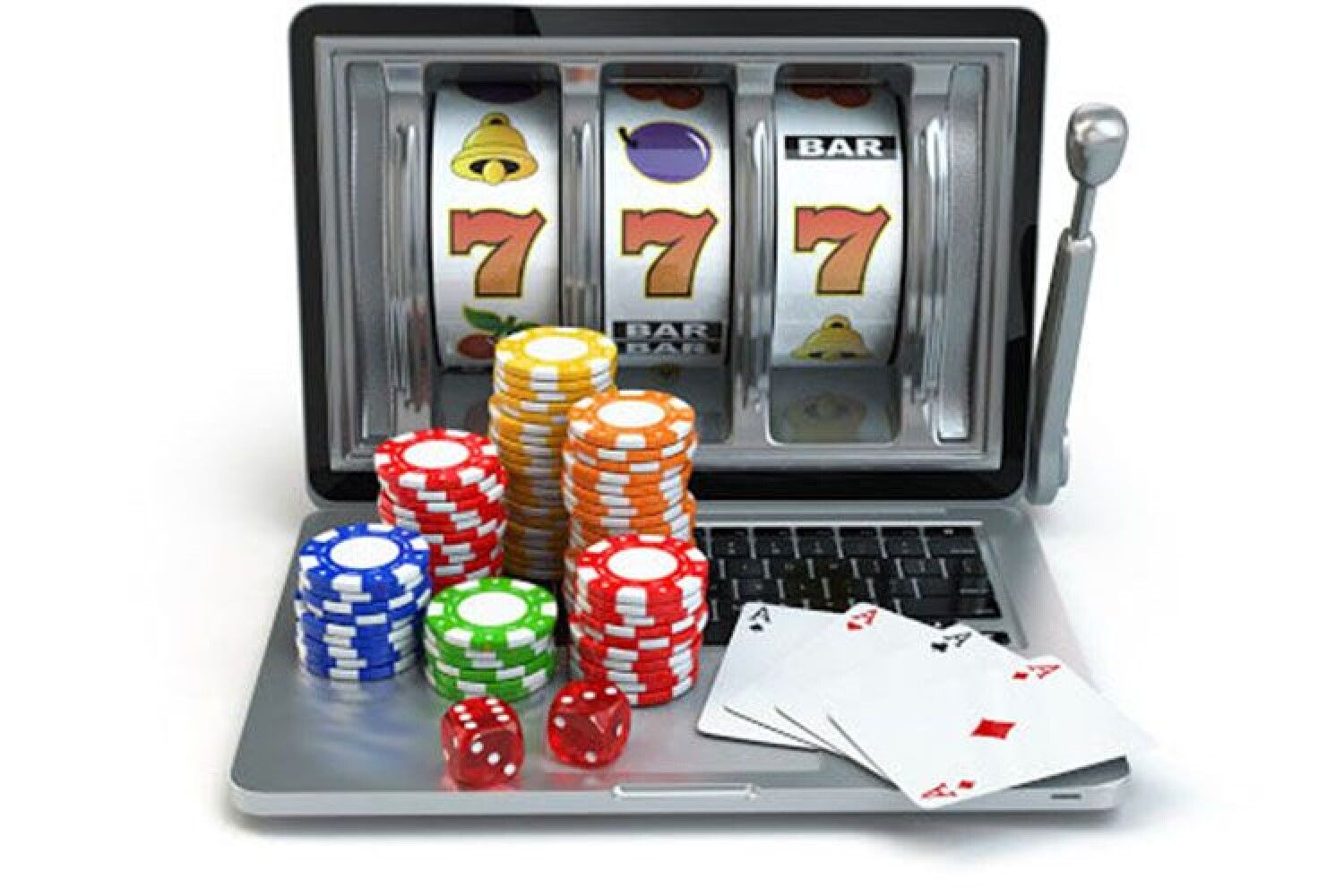
The origins of gambling can be traced back to ancient civilizations, where games of chance were often intertwined with rituals and cultural practices. Archaeological findings suggest that evidence of gambling activities dates as far back as 3000 BC in places like Mesopotamia, where dice made from bones were used. These early forms of gambling reflected not only a pastime but also a way to invoke the favor of deities, as many participants believed luck was a divine attribute. Interestingly, many players today enjoy online pokies, continuing the age-old tradition of chance games.
Similarly, ancient Chinese texts indicate that games similar to lotteries were played around 200 BC. The practice of gambling flourished in these early societies, often emerging alongside other cultural advancements, emphasizing its deep-rooted presence in human history. As societies evolved, so did their gambling methods, laying the groundwork for the diverse practices we see today.
Gambling in the Middle Ages
The Middle Ages marked a significant transformation in gambling practices, with a shift towards more organized and regulated forms of play. During this time, card games gained popularity across Europe, influenced by the introduction of playing cards from Asia. Nobility often indulged in these games, leading to a social status associated with gambling.
However, this era was also rife with controversy. Many governments viewed gambling as a threat to social order, leading to prohibitions and regulations. Despite this, clandestine gambling continued, reflecting the persistent allure of risk and chance. This dichotomy between regulation and enjoyment created a complex relationship with gambling that persisted through the centuries.
The Rise of Modern Gambling
The 19th century heralded a new age for gambling, characterized by the establishment of formal casinos and the formalization of betting practices. The first official casino opened in Venice in 1638, setting the stage for a wave of similar establishments across Europe and eventually the Americas. These venues brought structure to gambling, providing a controlled environment where patrons could engage in various games.
Moreover, the introduction of betting on horse racing and other sports transformed the gambling landscape. The establishment of betting houses allowed individuals to place wagers on events, further integrating gambling into popular culture. This era saw a burgeoning of new games, including poker and blackjack, which would become staples in gambling establishments.
The Digital Revolution and Online Gambling
The late 20th century brought about a technological revolution that drastically changed the gambling landscape. The advent of the internet paved the way for online casinos and betting platforms, allowing individuals to gamble from the comfort of their homes. This digital shift made gambling more accessible and diverse, appealing to a global audience.
As a result, online gambling has grown exponentially, with an array of games and betting options available at the click of a button. This evolution also prompted discussions about regulation and responsible gambling, as the ease of access raised concerns about addiction and the potential for exploitation. The digital era has undoubtedly reshaped the gambling experience, presenting both opportunities and challenges.

Understanding Gambling Today
In contemporary society, gambling practices have evolved into a multifaceted industry, blending entertainment, skill, and chance. With the rise of mobile gambling and live dealer games, the experience has become even more immersive. However, despite its popularity, gambling continues to face scrutiny regarding ethical concerns and social implications.
As we navigate this complex landscape, understanding the historical evolution of gambling practices can provide valuable insights. By recognizing the cultural significance and transformations that have occurred over the ages, individuals and regulators can better appreciate the role gambling plays in society today. Websites like Bot Verification are essential in ensuring a secure online environment, enhancing user experience while maintaining integrity in digital interactions.